MVP stuck?
The three ways a software build usually stalls.
A quarter with nothing shipped
Standups happen and tickets move, but nothing reaches a user. Nine times in ten the cause is architectural, and more process won't touch it.
A prototype that can't take real users
The demo went well, and then real auth, real data and real traffic showed up. Rebuilding it properly once costs less than patching it for a year.
A codebase someone left behind
Someone left you a repo nobody wants to own. We read it, tell you what's worth keeping, and take responsibility for the rest.
Start by email. Then audit, sprint, and stay if it's working.
Start with an email — the first read costs nothing. After that every engagement stays small and priced, so you never sign a six-month commitment to find out whether the fit is right. Larger scopes run as successive fixed-price sprints, never one long open-ended engagement.
Feasibility review
Some ideas aren't code yet, and not everyone wants to open with a call. Send the concept by email and you get a written answer back: whether it can be built the way you're picturing it, where it gets hard, what it would take to run, and what to cut. Ideas still ahead of development get a complimentary feasibility analysis — the written review, a cost and team model with its assumptions shown, and the product drawn three different ways so you can see what you'd actually be committing to.
Technical audit
We read the repo, the roadmap and whatever data you have. You get a written assessment of what's broken, what fixing it costs, and what you should stop paying for. It's yours to keep whether we work together or not, and if we move into a sprint, the audit fee is credited against it.
Fixed-scope sprint
Whether it's a full-stack build, a rebuild, or an AI feature, you get one outcome at one price with one deadline. The work goes straight to production.
Embedded retainer
We stay in your repo as your technical partner: architecture calls, hiring input, and features that keep going out. Monthly, cancel whenever.
How TwentyFiftySix compares to an agency quote.
Live platforms that take real money.

Lindsay Beer Eventing
Practice management system
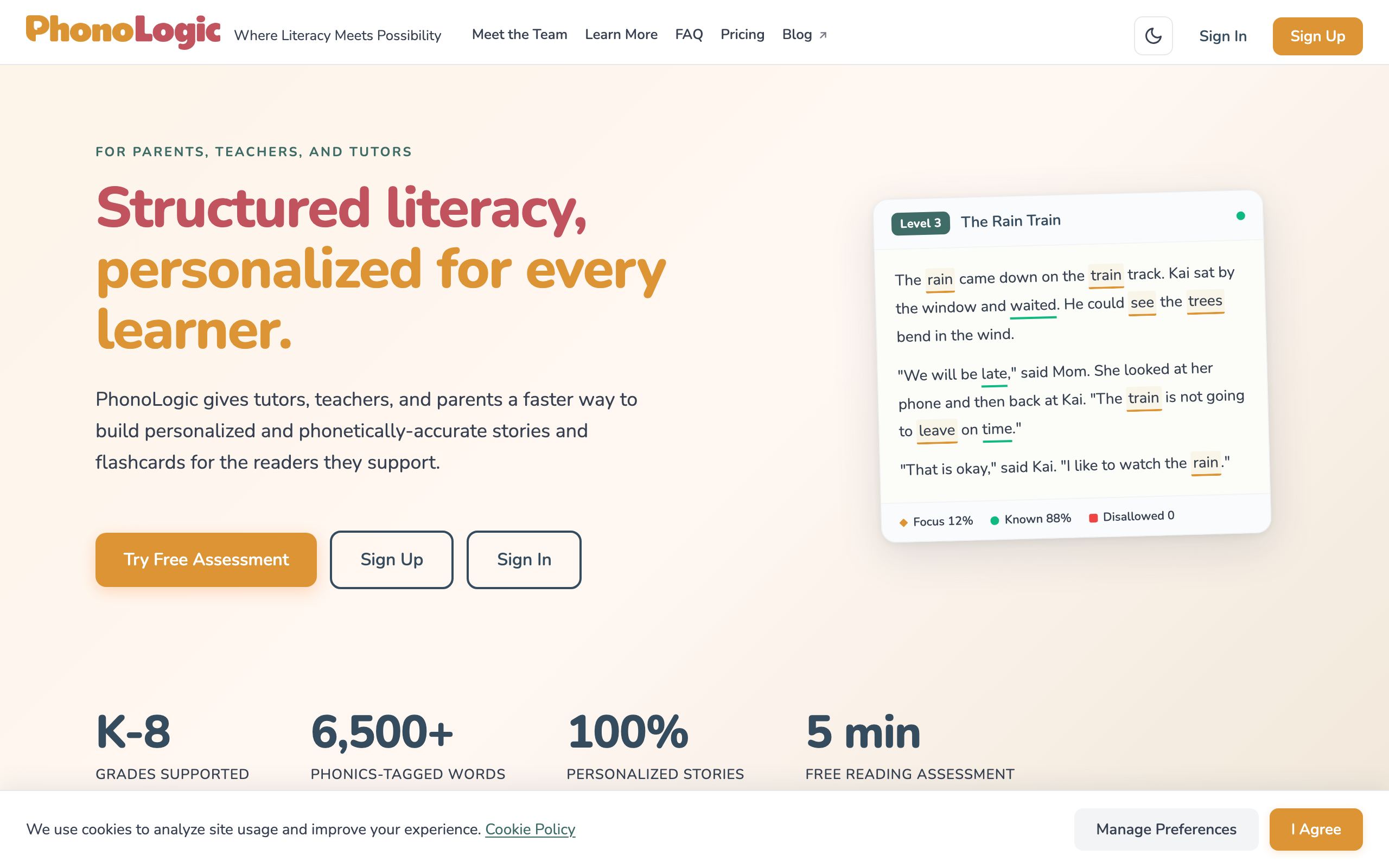
PhonoLogic

The builder behind TwentyFiftySix.
That's Joey. He spent eight years as an analytics director at a Fortune 500 consulting firm, where he built data platforms, product analytics systems and AI pipelines for clients in automotive, banking, pharma, entertainment and e-commerce. Large systems, real production constraints, serious data.
He went independent because the agency math stopped making sense for founders. The enterprise work was mostly data, which turns out to be the hard half of most products, and modern tooling now carries the app on top of it. Along the way he co-founded PhonoLogic, an AI literacy platform for structured reading instruction, and built it as its CTO. At TwentyFiftySix there's no account manager, no delivery pod, and nothing marked up on top of either.
A portfolio company with a stalled build is a fixable problem.
Audit-first diagnostics for portfolio teams, plus referral terms for funds and accelerators.
What happens when scope changes?
Small things are absorbed. Anything genuinely new becomes its own priced sprint, agreed before I start it. You never receive a surprise invoice.
Will you work in our existing codebase?
That's most of the work. We read it, tell you honestly what's salvageable, then work alongside whoever is already there, in your repo and your process.
What happens if TwentyFiftySix disappears?
Everything lives in your repo and your cloud accounts, documented as we go. There's no proprietary framework to get stuck on. If you hire someone tomorrow, they can pick it up.
Why is this so much cheaper?
You're not paying for a sales team, a PM layer, an account manager, or juniors learning on your budget. Modern tooling covers the rest.
Thirty minutes, and you'll know the number.
Bring the repo, the roadmap, or just the problem, and you'll leave with a straight answer on scope, price and timeline. Nobody here is going to send you a deck or a discovery phase. Not ready for a call? Email the idea instead — the feasibility read comes back in writing, at no charge.